
Back to news
24th June 2026
A former Royal Engineer from Moray, who served in Iraq and Afghanistan and was later diagnosed with PTSD, is now using his own experience to help Highland veterans find support before they reach crisis point.
Tom Whyte, 39, from Rafford near Forres, says Armed Forces Day is a reminder that many former servicemen and women carry the effects of military life for years, often while appearing to the outside world to be coping.
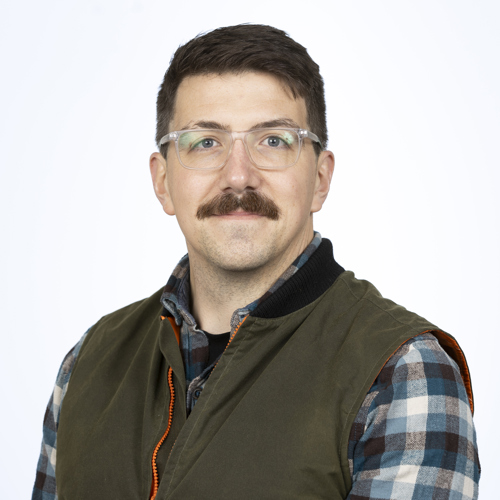
Tom joined the Army straight from secondary school at 18, having wanted from a young age to serve, see the world and gain life experience. He went on to serve for more than seven years with the Royal Engineers, deploying to Iraq on Op Telic 11 in 2007 to 2008 and Afghanistan on Op Herrick 12 in 2010.
Afghanistan was, he said, the peak of his military career. After being selected to join a sub-unit made up from regiments across 4 Mechanised Brigade, he was able to use his combat engineering and soldiering skills in what he describes as “challenging circumstances”.
Leaving the Army, however, brought a different kind of fight. It was harder to recognise because, from the outside, life appeared to be moving on: he found work in the oil and gas industry and other engineering roles, but something did not feel right.
Tom said: “I left the Army and, on the outside, it looked as though I was managing. I found work in oil and gas and other engineering roles. I was employed and I was getting on with things, but I did not feel like myself.
“I did not fully understand what was happening at the time but looking back I was most likely struggling with my mental health. When I was diagnosed with PTSD in 2018, linked to my service, it was difficult to face, but it also became a reset. It helped me understand what I had been carrying.”
The diagnosis changed the course of his life. Tom moved into third sector work as a mental health and wellbeing practitioner and began studying counselling, turning his own experience of service, transition and recovery into a way of helping others.
He had delayed seeking help himself, partly because he felt there was not enough veteran support available locally. Through Erskine Veterans Charity in Moray, he is now helping provide the kind of support he once struggled to find.
Tom said: “I put off seeking help for a long time. One of the reasons was that I did not feel there was enough veteran support locally.
“Having Erskine in Moray matters because veterans now have somewhere physical to go. It is a place they can use in a way that meets their own needs, without having to explain every part of who they are or where they have been.
“This role brings together my own service, my professional training and my personal experience. I know what it is to look as though you are coping while something inside is not right. If that helps another veteran open up before they reach crisis point, then it is worth everything.”
His story reflects one of the harder truths behind Armed Forces Day: that some veterans return from conflict carrying memories of fear, violence and loss that most civilians will never be asked to imagine, while others spend years trying to adjust to life after the Armed Forces while appearing to have moved on.
For many, the loss of structure, purpose and comradeship can be profound. In rural and Highland communities, distance can make it even harder to find the right support at the right time, particularly for those who are reluctant to admit they are struggling.
Tom understands the pride, humour and stoicism that can stop veterans from asking for help, as well as how difficult the first conversation can be for someone who has served in conflict and spent years believing they should be able to manage alone.
He said: “Veterans need somewhere they can come to in their own way. Not everyone wants to sit down and talk straight away. Sometimes it starts with being in the same room as people who understand.
“That can be the first step. It can lead to a conversation, then to support, then to someone realising they do not have to carry everything on their own.”
Ian Cumming, Chief Executive of Erskine Veterans Charity and himself a veteran, said Tom’s story shows why lived experience is vital to the future of veterans’ care.
He said: “Tom’s story is powerful because he understands the journey many veterans go through. He knows what it means to serve, to leave military life behind, and to carry things that others cannot easily see. Veterans will not always ask for help. Pride, stoicism and military culture can make it hard to say you are struggling. But when support comes from someone who understands that world, that first conversation can become possible.
Ian Cumming, Chief Executive of Erskine Veterans Charity and himself a veteran, said Tom’s story shows why lived experience is vital to the future of veterans’ care & support.
He said: “Tom’s story is powerful because he understands the journey many veterans go through. He knows what it means to serve, to leave military life behind, and to carry things that others cannot easily see. Veterans will not always ask for help. Pride, stoicism and military culture can make it hard to say you are struggling. But when support comes from someone who understands that world, that first conversation can become possible.
“Tom brings lived experience, professional skill and trust to his work with fellow veterans. That combination is vital because veterans need support that recognises what they have given, what they may have endured, and what they can still become.
“This is not just about waiting until people reach crisis. It is about building a community around them, helping them recover confidence, dignity and purpose, and making sure no veteran feels they have been forgotten.”
Ian added: “Some veterans have seen the worst of humanity. Others have carried burdens quietly for years. Such veterans deserve care, understanding and a place where they are not judged. Every day, veterans like Tom stand beside fellow servicemen and women, helping them rebuild confidence, connection and hope. That is service continued in another form.”


Former teenage Reservist helping others find confidence and comradeship this Armed Forces Day

Queen’s Own Highlanders Veteran is taking on an epic challenge for Erskine.

Veteran, Shaun Moat, Completes Aberdeen Kiltwalk in Erskine Mascot Costume


