
Back to news
1st July 2026
Erskine renews its promise to Scotland’s veterans 110 years on
110 years on from the bloodiest day in British military history, the head of Scotland’s leading veterans charity has said the country must “never forget the human cost of war” as Erskine prepares to mark both the anniversary of the Battle of the Somme and its own founding year.
On 1 July 1916, the first day of the Battle of the Somme, British forces suffered over 57,000 casualties, including over 19,000 men killed. It is still widely regarded as the deadliest day in British military history.
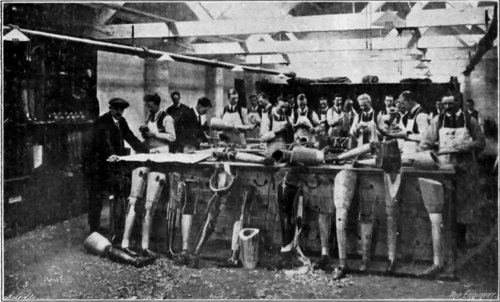
Within months, the Princess Louise Scottish Hospital for Limbless Sailors and Soldiers, now Erskine Veterans Charity, opened its doors in Renfrewshire to care for wounded servicemen returning from the First World War.
Founded in October 1916, Erskine was created in direct response to the devastating physical and psychological toll of the war, providing specialist treatment, rehabilitation and prosthetic limbs for men whose lives had been changed forever.
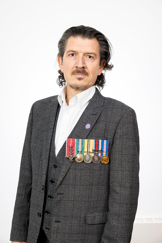
Wing Commander Ian Cumming MBE, Chief Executive of Erskine Veterans Charity, said the 110th anniversary of the Somme would be a moment not only of remembrance, but of renewed responsibility.
He said: “One hundred and ten years on from the most catastrophic loss of life in British military history, we must never forget the horrors of war. The Somme may belong to history, but the devastation caused by war is something we are reminded of every day, through conflicts around the world and through the lives of the veterans Erskine continues to care for.
“The Battle of the Somme is infamous because it showed war at its most brutal, wasteful and devastating. On one day, tens of thousands of men were killed or wounded. Young men were ordered out of trenches and into machine-gun fire, artillery, mud, smoke, terror and chaos. Many died before they had moved more than a few yards. Many who survived lost limbs, sight, hearing, health and any sense of the life they had known before.
“We cannot begin to imagine the full horror of what they endured. But we know this, many of the men who first came to Erskine were very young, and they were never the same again. They arrived with shattered bodies, missing limbs and wounds that went far beyond the physical. They had seen things no one should have to see and carried memories no one should have to carry.”
The hospital became internationally recognised for its pioneering work in the design, manufacture and fitting of artificial limbs, including the development of the “Erskine Limb”, led by Sir William Macewen and supported by skilled Clydeside shipyard workers.
Among those whose story connects Erskine directly to the Somme was Private Matthew Kane of the Royal Irish Rifles. Aged just 18, he went over the top on 1 July 1916 and was wounded during the assault, losing a leg before later being cared for by Erskine.
Ian said: “When we remember the Somme, we remember young men like Matthew Kane. He was 18 years old. At that age, most people should be looking ahead to the whole of their adult life. Instead, he went over the top on the first day of the Somme and came home without his leg.
“That is the blunt reality of war. Behind every casualty figure is a person, a family, a future changed forever. The numbers from the Somme are so large they can become almost impossible to comprehend, but Erskine was founded to care for the individuals behind those numbers. The men who came through our doors were not statistics.
“Erskine was born because Scotland refused to turn away from them. Our founders understood that the duty to those who serve does not end when the guns fall silent. In many ways, that is when the longest part of the battle begins.”
Today, Erskine has evolved to provide care, accommodation, and community support for veterans across Scotland, including specialist care homes, a Veterans Village, assisted living, transitional supported accommodation, home support and activity centres designed to reduce isolation and support veterans in civilian life.
Ian added: “Care is still at the heart of Erskine’s ethos. It is who we are. From the First World War and the Second World War to the Falklands, the Gulf, Iraq, Afghanistan and more recent operations, Erskine has cared for veterans from every generation.
“The nature of war changes, but the consequences remain deeply human. Today’s veterans may have served in very different conflicts from the men who survived the Somme, but many still live with pain and trauma or the difficulty of adjusting to civilian life. Our responsibility to them is just as real now as it was in 1916.
“As we approach this 110th anniversary, our message is simple and it is urgent. We remember the fallen and we honour the wounded. I want to reaffirm the promise made at Erskine’s birth, that veterans should never be forgotten, never be left behind and never be made to face the aftermath of war alone. That is our responsibility, but it is also the nation’s.”


Former teenage Reservist helping others find confidence and comradeship this Armed Forces Day

A former Royal Engineer from Moray, is using his own experience to help veterans find support

Veteran, Shaun Moat, Completes Aberdeen Kiltwalk in Erskine Mascot Costume


